How microwave technology enabled a new green pathway aAdvanced digestion of Iridium, Ruthenium, and Rhodium requires extreme and corrosive acid conditions. SRC technology, with ultraWAVE systems, delivers complete dissolution with high durability, safety, and reproducibility.
Platinum group metals (PGMs) such as Iridium (Ir), Ruthenium (Ru), and Rhodium (Rh) are essential materials in high-value industrial sectors including catalysis, electronics, advanced coatings, and electrochemical technologies. Their exceptional chemical stability makes complete dissolution a critical and persistent challenge in analytical workflows.
This white paper describes the capabilities of Single Reaction Chamber (SRC) microwave digestion technology for achieving quantitative digestion (>99.9%) of refractory PGMs under highly aggressive conditions, while maintaining safety, robustness, and reproducibility..
The discussion is based on experimental evidence obtained using the ultraWAVE 3 (Milestone SRC digestion unit), with emphasis on practical implications for analytical laboratories.
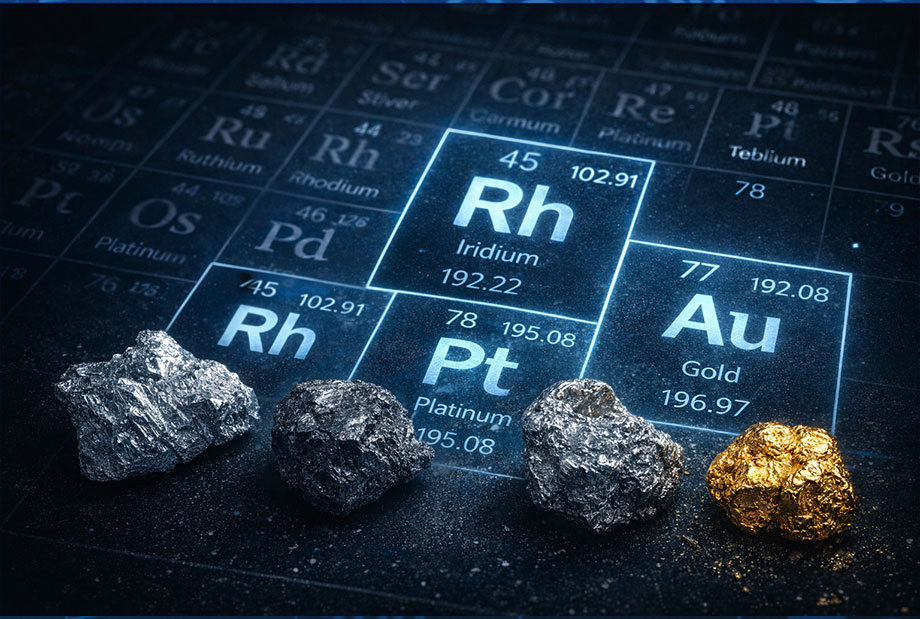
What Makes Iridium, Ruthenium, and Rhodium So Difficult to Digest?
Ir, Ru, and Rh exhibit extreme resistance to chemical attack, and conventional microwave digestion systems often struggle to achieve the combination of temperature, pressure, and chemical aggressiveness required for complete dissolution. In addition, conventional microwave (MW) systems are unable to process sufficiently representative sample amounts, limiting the robustness and reliability of impurity detection results.
An additional challenge is the variability of PGMs arising from different production routes or aging histories, which increases the number of variables and makes it difficult to establish standardized methods applicable to all PGM samples.
How Does Single Reaction Chamber Microwave Digestion Address These Challenges?
Single Reaction Chamber technology addresses these challenges by processing all samples within a single, pressurized chamber rather than in individually sealed vessels. This technology enables precise and uniform control of temperature and pressure, across all samples. The system is designed using chemically resistant materials that tolerate prolonged exposure to aggressive acid mixtures, ensuring consistent performance even under extreme operating conditions.
By combining high temperature and pressure with active stirring, SRC technology enables rapid and complete dissolution of refractory PGMs while supporting higher sample masses than typically achievable with conventional systems.
Latest Articles

Milestone has achieved ACT Ecolabel 2.0 Certification

Check the sustainability of your methods now!
