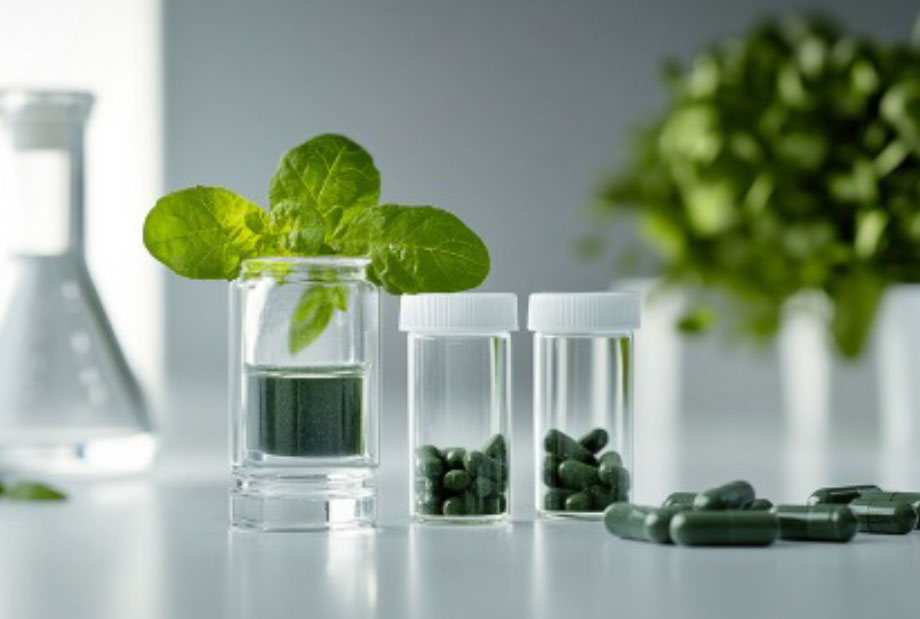
Microalgae- and algae-based supplements have gained significant popularity in recent years due to their impressive nutrient profile, which is rich in proteins, vitamins, and antioxidants. The United Nations World Food Conference has notably recognized Spirulina platensis as “food of the future”, underscoring its excellent nutritional value and minimal resource requirements for cultivation. However, concerns have been raised regarding the quality of these products due to contamination with heavy metals, inorganic arsenic, and cyanotoxins, which can bring healthy risks. Microalgae have a special ability to absorb and accumulate heavy metals, including mercury, from their surrounding aquatic environment; they have cell walls containing specific functional groups, such as carboxyl, hydroxyl, and sulfhydryl groups, which allow these photosynthetic organisms to effectively bind with harmful substances in their growth environments. Elements such as mercury are known to bioaccumulate in microalgae and can have toxic effects on the nervous system.
Their remarkable ability to accumulate these substances is currently being examined in different studies for industrial wastewaters cleaning applications to understand how it can be exploited.
Given the increase and spread of these microalgae-derived products as food supplements in the population, understanding the risks associated with mercury contamination has become critical. The challenges in mercury determination are well known, but the major concern is usually sample preparation, resulting in time-consuming and expensive techniques.
Direct Mercury Analysis technology (DMA) allows the analysis of any matrix without any pre-treatment or chemical additions in as few as 7 minutes.
Our study shows how the DMA-80 evo tricell addresses the task along with a great ease of use and a high productivity. The double beam feature enhances the performance of the DMA-80 at low range, such as 0,5 µg/Kg (0.03 ng), ensuring a performing mercury recovery.
Latest Articles

Milestone has achieved ACT Ecolabel 2.0 Certification

Download the FAQ on mercury analysis
