Protecting ultraWAVEs Performance: Why Consumable Maintenance Matters
One of the key advantages of ultraWAVE 2 eco and ultraWAVE 3 is its ability to operate at temperatures and pressures beyond the reach of conventional microwave digestion systems. This exceptional performance allows laboratories to tackle challenging matrices with confidence, achieve complete digestions, and maintain high productivity.
To consistently deliver these results, however, the reactor must remain in optimal condition. Regular inspection and replacement of critical consumable components play an important role in ensuring reliable operation and preventing unexpected downtime.
The Components That Keep ultraWAVEs Performing at Its Best
When discussing ultraWAVE 2 eco and ultraWAVE 3 consumables, most users immediately think about racks and digestion vials. However, several additional components contribute directly to the reactor’s sealing performance and long-term reliability:
- PTFE liner
- PTFE liner O-rings
- Cover O-rings
- Thermocouple O-rings
- Pressure hose O-rings
Although these components represent a relatively small investment compared to the value of the system, they are essential for maintaining the high-pressure environment required for advanced digestion workflows.
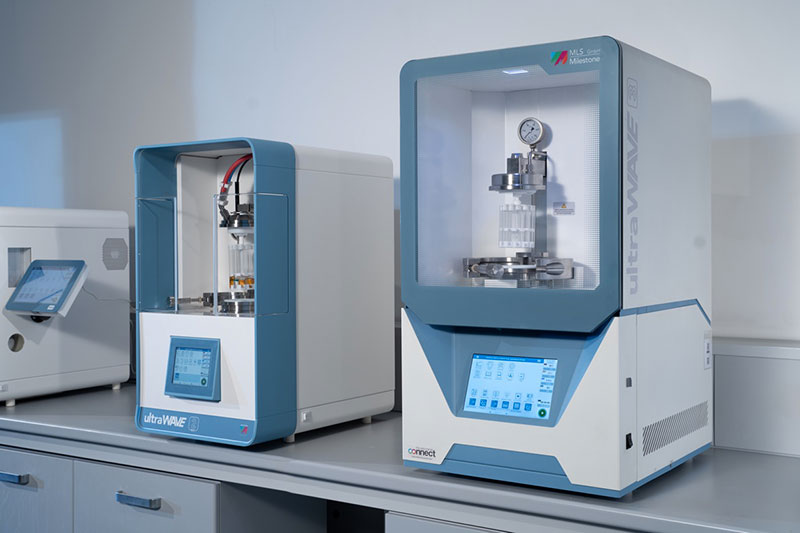
Understanding PTFE Liner Wear

The PTFE liner operates under demanding conditions. During digestion, it is continuously exposed to elevated temperatures, pressure cycles, and aggressive acid vapors. As a result, its lifespan depends on several factors, including:
- Sample type
- Digestion temperature
- Operating pressure
- Digestion duration
Applications involving highly reactive, fatty, oily, or difficult-to-digest samples typically place greater stress on the liner than routine food or environmental samples.
Two primary factors indicate that liner maintenance may be required:
Physical Deterioration
The bottom portion of the PTFE liner experiences the highest thermal and mechanical stress. Over time, visible signs of wear may appear. If deterioration progresses too far, the sealing performance of the reactor can be compromised, potentially leading to pressure loss during operation.
Contamination and Acid Absorption
After extended use, PTFE may gradually absorb acid vapors generated during digestion. This can increase microwave absorption by the liner itself and affect system efficiency.
One practical indicator is the antenna temperature during operation. If the temperature consistently exceeds recommended levels, the liner should be inspected and, if necessary, decontaminated according to the procedures described in the user manual.
The Critical Role of O-Rings
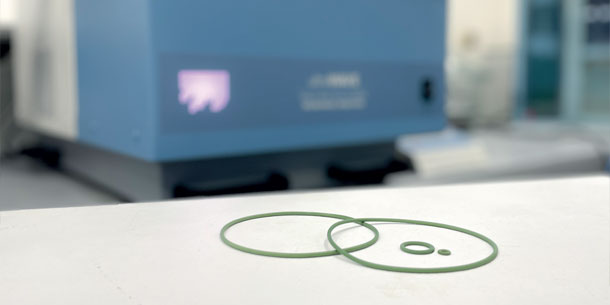
While often overlooked, O-rings are among the most important components in the reactor sealing system.
The O-rings located on the PTFE liner, reactor cover, thermowell, and pressure hose connections ensure complete sealing throughout the digestion process. Because these elastomeric components are repeatedly exposed to temperature fluctuations, pressure cycles, and chemical environments, they naturally age over time.
Regular inspection and timely replacement help maintain:
- Stable pressure conditions
- Consistent digestion performance
- Safe reactor operation
- Maximum system uptime
Recommended Inspection Schedule
As a general guideline, Milestone recommends visually inspecting PTFE liners and O-rings on a weekly basis.
Replacement should be considered when:
PTFE liners
- Show signs of physical deterioration
- Display deformation or damage
- Cannot be effectively restored through decontamination
O-rings
- Appear damaged
- Show deformation or flattening
- No longer provide optimal sealing
Actual component lifetime will vary depending on application type and operating conditions.
A Small Preventive Action That Protects Productivity
Unexpected downtime rarely occurs without warning. In most cases, routine inspection of consumable components can identify potential issues before they affect laboratory operations.
By incorporating PTFE liner and O-ring inspections into regular maintenance routines, laboratories can continue to benefit from the full performance of ultraWAVE while reducing the risk of interruptions, preserving digestion quality, and maximizing instrument longevity.
If you have questions regarding consumable replacement intervals, reactor maintenance, or system performance, contact the Milestone Service Team or your local Milestone representative for support.
Latest Articles

Mastering Geological Sample Preparatione

IMPROVE LABORATORY CLEANING EFFICIENCY WITH TRACECLEAN
